
How to Restore Your Driveway Without Damaging It
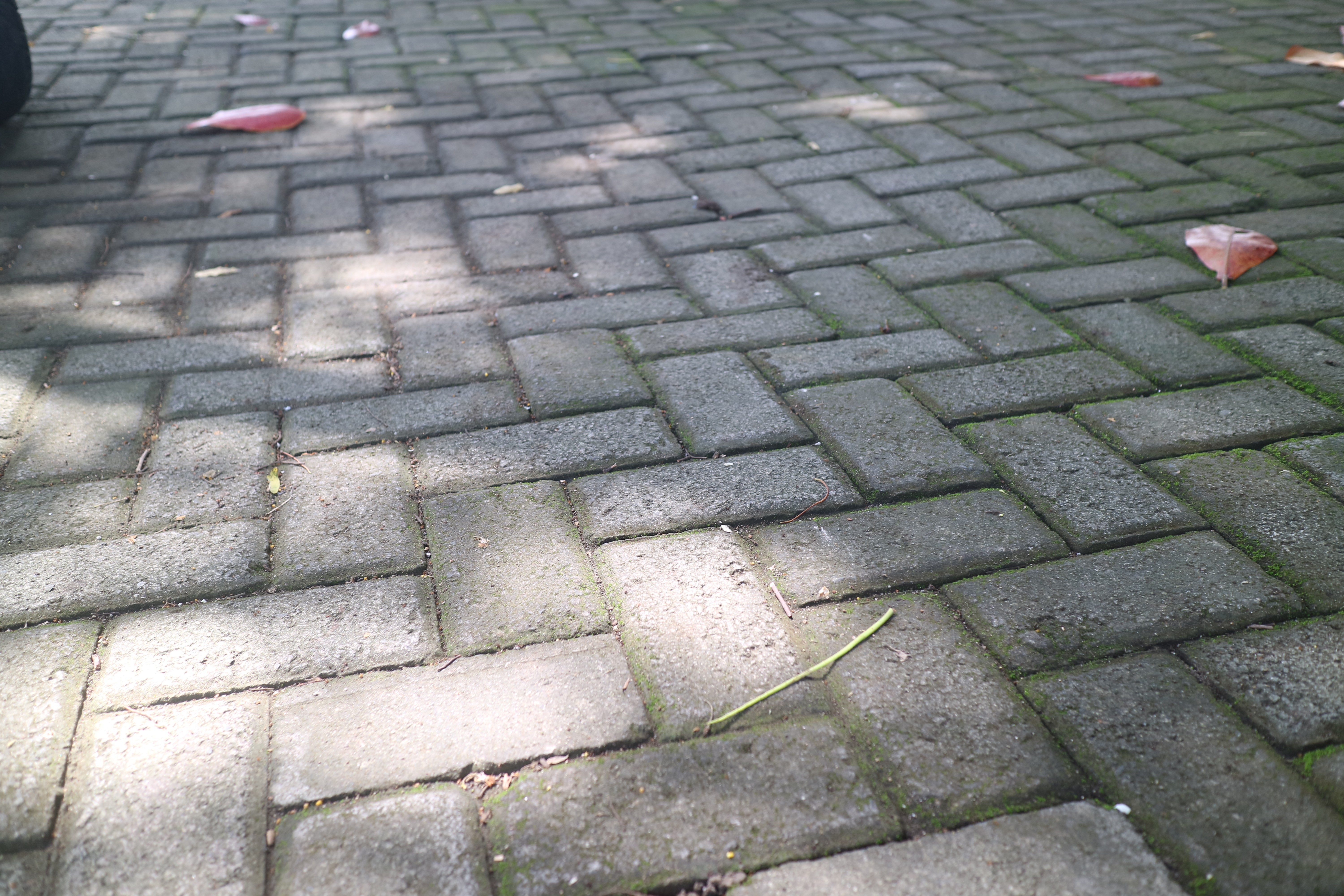
How to Restore Your Driveway Without Causing Damage
Understanding the Impact of Surface Wear
A driveway is one of the most frequently used external surfaces of a property, constantly exposed to vehicle traffic, weather conditions, and organic growth. Over time, contaminants such as oil, dirt, moss, and algae accumulate, leading to both aesthetic deterioration and potential structural issues. While pressure washing is an effective restoration method, improper techniques can cause irreversible damage, making it essential to approach the process with care and precision.
Selecting the Correct Pressure for the Material
One of the most critical aspects of driveway cleaning is choosing the appropriate pressure level. Different materials respond differently to high-pressure water. Concrete surfaces can generally withstand more aggressive cleaning, whereas block paving and tarmac require a lower-pressure approach to avoid erosion or surface damage. Excessive pressure can strip away jointing materials, create visible etching, or weaken the surface structure over time. Using controlled, adjustable equipment ensures that cleaning is both effective and safe.
Pre-Treating Stains for Effective Removal
Not all contaminants can be removed with water alone. Oil stains, tyre marks, and embedded organic growth often require chemical pre-treatment to break down their composition. Applying specialised cleaning solutions before pressure washing allows these substances to be lifted more easily, reducing the need for excessive force. This not only improves cleaning efficiency but also helps preserve the integrity of the driveway material.
Maintaining Consistent Cleaning Techniques
Achieving a professional finish relies heavily on consistency. Uneven pressure washing can result in streaks or patchy areas that are highly visible once the surface dries. A systematic, overlapping cleaning motion ensures uniform coverage and prevents inconsistencies. This method is particularly important for larger driveways, where any variation in technique becomes more noticeable.
Re-Sanding and Surface Stabilisation
For block paving, the cleaning process often removes the sand between joints, which plays a crucial role in maintaining structural stability. Re-sanding after cleaning is essential to lock the blocks back into place and prevent movement over time. Without this step, the surface becomes more vulnerable to shifting, weed growth, and water ingress.
Applying Protective Sealants
Sealing the driveway after cleaning provides an additional layer of protection against future contamination. A quality sealant helps repel water, resist staining, and slow the regrowth of moss and algae. This not only maintains the appearance of the driveway for longer but also reduces the frequency of required maintenance.
Long-Term Maintenance and Care
Restoring a driveway is not a one-time task but part of an ongoing maintenance strategy. Regular cleaning, combined with preventative treatments, ensures that the surface remains in optimal condition. By investing in proper care, homeowners can significantly extend the lifespan of their driveway while maintaining a clean and well-presented exterior.